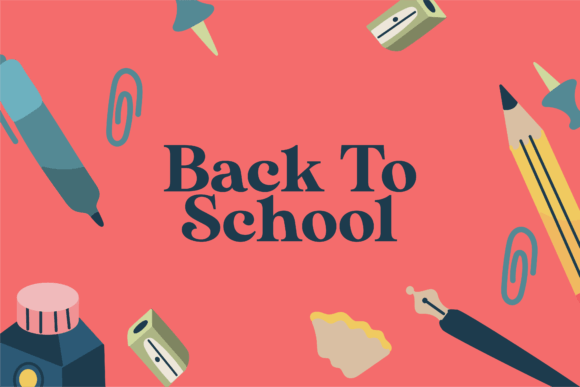
Pink Background Back to School
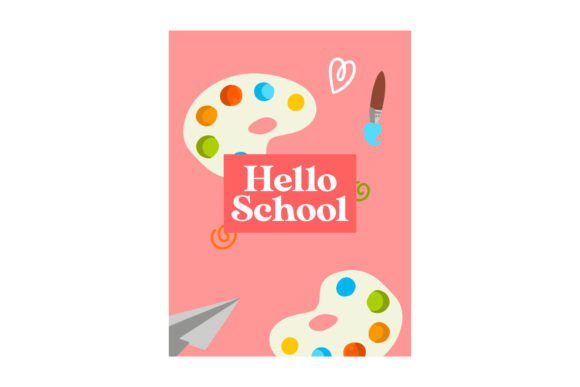
Back-to-school season no longer belongs only to students and teachers. Today, it’s a cultural reset moment—marked by fresh starts, intentional planning, and visual storytelling across social media, small business launches, classroom resources, and personal branding. At the heart of this shift is a growing demand for design assets that feel both purposeful and personable. Enter Pink Background Back to School: a versatile, ready-to-use digital resource built not just for aesthetics, but for real-world adaptability.
Why Pink? Why Now?
Pink has long carried layered meaning—from bold confidence and creative energy to warmth, inclusivity, and gentle authority. In 2024, it’s moved beyond gendered stereotypes and into mainstream visual strategy. Designers, educators, and content creators are choosing soft coral, dusty rose, and vibrant magenta not as trends, but as functional tones: they draw attention without overwhelming, convey care without cliché, and pair effortlessly with modern typography and photography.
This evolution reflects broader shifts in how we communicate visually. Audiences respond better to cohesive, emotionally resonant palettes—and pink, when thoughtfully applied, supports clarity and connection. A Pink Background Back to School design isn’t just “cute” or “feminine.” It’s a strategic choice: accessible for neurodiverse learners, legible on multiple devices, and flexible enough for print, digital signage, or video overlays.
More Than a Background—A Workflow Accelerator
What sets this particular Pink Background Back to School asset apart isn’t just its color—it’s its technical readiness. The package includes six format files, all built on a consistent 1920px × 1280px canvas: one AI file for deep vector editing in Adobe Illustrator, one EPS for legacy compatibility, one SVG for web use and responsive scaling, one DXF for laser cutting or vinyl plotting, and high-resolution JPG and PNG files for quick sharing and presentations.
That breadth matters. A freelance educator building a printable planner doesn’t need an AI file—but they’ll appreciate the clean, transparent PNG for Canva or Google Slides. A small business owner launching a back-to-school promo campaign may use the SVG for animated email headers, then repurpose the DXF for custom merchandise. A graphic designer integrating the background into a larger brand kit will rely on the AI file to adjust gradients, swap fonts, or align with existing color systems.
This isn’t about owning “more files.” It’s about eliminating friction. No more converting, re-exporting, or compromising quality mid-project. You get what you need—when you need it—without hunting through layers or risking pixelation.
Evolving Expectations in Education and Entrepreneurship
Classrooms and small studios alike are operating with leaner resources and higher expectations. Teachers curate digital learning materials daily—often on tight budgets and tighter timelines. They need assets that work across LMS platforms (like Canvas or Google Classroom), Zoom backgrounds, printed handouts, and student-facing slides. A single, well-structured Pink Background Back to School file saves hours—not just in creation time, but in troubleshooting compatibility issues across devices and software versions.
Similarly, solopreneurs and micro-businesses—tutors, curriculum designers, Etsy shop owners, or coaching professionals—rely on visual consistency to build trust. That means using the same tone, palette, and layout across Instagram carousels, PDF workbooks, and physical welcome kits. With editable vector formats included, users can update text, add logos, or tweak spacing without hiring a designer—keeping their brand agile and authentic.
Design That Supports Real Habits
Modern workflows are hybrid, fragmented, and multi-device. People switch between desktop editing, tablet sketching, and mobile posting—all in one session. That’s why format diversity isn’t optional; it’s essential. The SVG file scales cleanly on a phone screen during a live workshop demo. The PNG preserves transparency for overlaying photos in a newsletter. The DXF lets a craft-based educator cut custom bulletin board letters from felt or acrylic. Each format serves a distinct behavior—not a theoretical use case.
And because all files share the same canvas dimensions, there’s no guesswork about sizing or cropping. Whether you’re preparing a 16:10 presentation slide, a vertical Instagram Story, or a horizontal blog banner, the foundation stays consistent—reducing cognitive load and preserving design integrity.
Practical Use Cases Across Roles
- Educators: Use the JPG as a printable classroom poster, the PNG for editable Google Slides templates, and the SVG to animate a “Welcome Back!” intro sequence for asynchronous lessons.
- Content Creators: Layer the transparent PNG over lifestyle photos for branded Reels thumbnails, or import the AI file into Figma to build a full back-to-school content calendar template.
- Small Business Owners: Apply the EPS file in Cricut Design Space for custom stickers, or use the DXF to cut out pink-accented signage for a pop-up tutoring studio.
- Bloggers & Newsletter Writers: Drop the SVG into email builders like Beehiiv or Mailchimp for lightweight, fast-loading headers—or paste the PNG directly into Substack posts for visual emphasis.
- Hobbyists & DIY Enthusiasts: Print the JPG on photo paper for framed classroom decor, or upload the DXF to a Glowforge to create personalized name tags or desk organizers.
Editing Without Expertise
You don’t need advanced design training to make meaningful changes. The AI and EPS files retain editable text and grouped layers—so swapping “Welcome Back!” for “Let’s Grow Together!” takes seconds. The SVG opens in most browsers and free tools like Inkscape or Vectr. Even the JPG and PNG can be adjusted in Canva, PowerPoint, or Google Docs using built-in image tools (crop, brightness, contrast).
This accessibility reflects a wider industry shift: professional-grade assets are no longer gatekept behind expensive software or steep learning curves. Instead, they’re designed for iteration—not perfection. Mistakes are part of the process. Having six formats means you can try something, pivot quickly, and stay in flow—not stuck debugging export settings.
A Thoughtful Response to Changing Needs
The rise of Pink Background Back to School assets mirrors deeper patterns: increased personalization in learning, growth in creator-led education, and heightened attention to inclusive, calming visuals in high-stimulus environments. It also responds to practical constraints—limited time, variable tech access, and the need for cross-platform reliability.
What hasn’t changed is the value of intentionality. Choosing pink isn’t arbitrary. Using a 1920px × 1280px canvas isn’t accidental. Including six formats isn’t over-engineering—it’s anticipating how people actually work today. This isn’t about chasing trends. It’s about supporting real tasks, real timelines, and real people who show up ready to teach, create, launch, learn, or simply begin again.
Getting Started Is Simple
Once downloaded, open the format that matches your next step. Tweak colors in Illustrator. Drop the PNG into your lesson plan. Resize the SVG for a webinar banner. Cut the DXF for a tactile welcome kit. There’s no required sequence—just options aligned to your goals, tools, and pace.
That flexibility is the quiet strength of this Pink Background Back to School resource: it meets you where you are, not where a generic template assumes you should be.